January 23, 2026
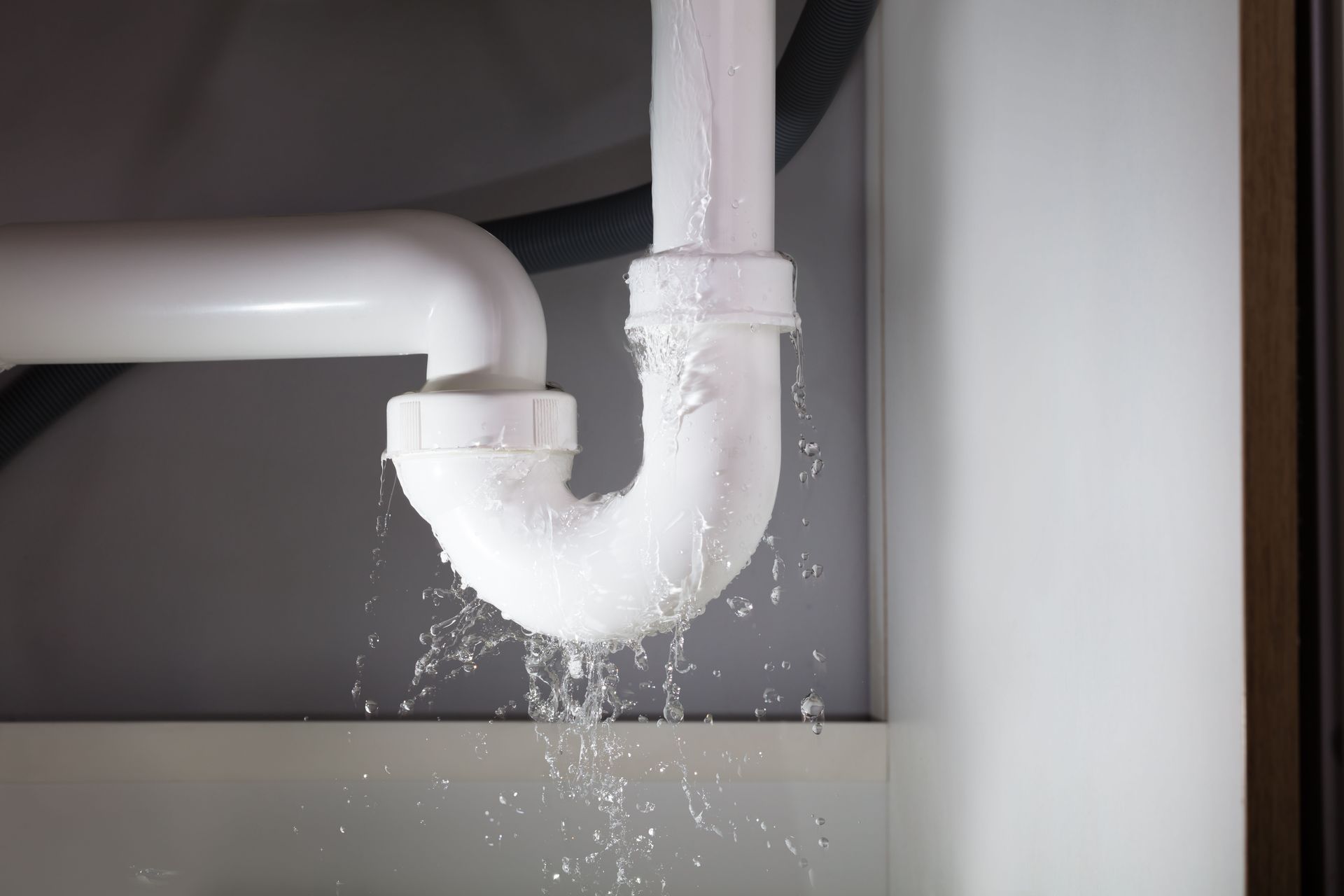
Household leaks often start quietly, without obvious warning, and can continue for weeks before homeowners realize something is off. Because many leaks hide behind walls, under floors, or inside fixtures, it's easy to shrug off small hints until damage becomes visible. Early detection matters because it helps limit water waste, prevents bigger repairs, and protects indoor air quality. When something does not seem right, plumbers can help confirm what’s happening before guesswork turns into a bigger mess.
Recognizing Causes Behind Leaks
Several factors contribute to the development of household leaks. Aging infrastructure is a leading cause, especially in homes with older piping materials or fixtures that have seen better days. High water pressure can strain joints and valves, speeding up wear and creating tiny failures that grow over time. Temperature changes also play a role because pipes expand and contract, sometimes stressing connections in the process. Improper installation or skipped maintenance can turn minor weaknesses into recurring leak problems.
Evaluating Home Age And Materials
The age of a home has a direct impact on its vulnerability to leaks. Older properties may still rely on galvanized steel or aging copper pipes that are more prone to corrosion, buildup, and thinning. Newer homes benefit from modern materials, but quality of installation remains critical and can still create trouble spots. Fixtures, shutoff valves, and seals degrade over time regardless of material, especially in high-use areas like kitchens and bathrooms. Routine assessments can help homeowners decide when repairs or targeted replacements make sense.
Understanding Leak Statistics
Household leaks are far more common than many people expect. According to the U.S. Environmental Protection Agency, 10% of homes have leaks that waste 90 gallons or more per day. That level of water loss has financial consequences and can strain local water supplies, even when the leak feels “small.” This is why routine monitoring matters, especially if a home has older fixtures or a history of plumbing trouble. If you suspect ongoing water waste, plumbers can help pinpoint the source efficiently instead of relying on trial and error.
Identifying Early Warning Signs
Leaks often leave subtle clues before serious damage occurs. Unexplained increases in water bills are one of the most common indicators, especially when household routines haven’t changed. Stains on ceilings or walls, damp flooring, or bubbling paint can also suggest hidden moisture moving through materials. Musty odors may indicate dampness building up long enough to support mold growth. Paying attention to these warning signs gives homeowners a chance to act early rather than react late.
Observing Changes In Water Usage
Tracking water bills over time helps identify unusual patterns. A sudden increase without a clear cause often points to a leak somewhere in the system, even if nothing looks obviously “wet.” Slow leaks can add up quickly and become costly because they run day after day without being noticed. Investigating discrepancies early helps limit waste and prevents moisture damage from spreading into walls, floors, or cabinets. In many cases, plumbers can confirm whether the problem is a fixture issue, a supply line leak, or something deeper in the system.
Noticing Visual And Sensory Clues
Discoloration, peeling paint, and soft spots in walls or floors are common visual indicators of moisture intrusion. Damp areas may feel cool, look slightly darker than surrounding materials, or give off a stale smell that doesn’t go away with cleaning. These signs often appear near kitchens, bathrooms, laundry areas, and water heater closets because those spaces have multiple connections and valves. Ignoring them allows moisture to travel further and damage more materials than necessary. If you’re unsure whether it’s plumbing-related, plumbers can help verify the cause before you start tearing into walls.
Understanding Mold And Health Concerns
Persistent moisture creates ideal conditions for mold and mildew growth. Mold spores can affect indoor air quality and aggravate allergies or respiratory conditions, especially for children, older adults, and anyone already sensitive. The tricky part is that mold doesn’t always show up right away, particularly when moisture is trapped behind surfaces. Fixing the leak source quickly is the most important step in preventing recurring mold problems. After that, proper drying and cleanup help keep the home healthier long term.
Evaluating Financial Consequences
Undetected leaks often lead to higher water bills and expensive repairs. Water damage may require replacement of drywall, flooring, insulation, or cabinetry, and it can also contribute to warped materials that never look quite the same again. Insurance coverage may become complicated if a leak is considered slow and preventable rather than sudden and accidental. Early detection limits repair scope and protects property value by preventing long-term deterioration. For homeowners trying to avoid a domino effect of costs,
plumbers can be an important part of stopping the problem at the source.
Protecting Structural Stability
Over time, water weakens structural components such as framing, subfloors, and supports. Electrical systems exposed to moisture introduce additional safety risks, especially if water reaches outlets, junction boxes, or wiring paths. Detecting leaks early preserves the integrity of the home and reduces the chance of secondary damage that spreads beyond the original leak area. Regular checks in vulnerable zones can catch trouble before it becomes a major restoration project. When damage feels uncertain or widespread, plumbers can help determine how far the issue has traveled.
Leveraging Professional Inspections
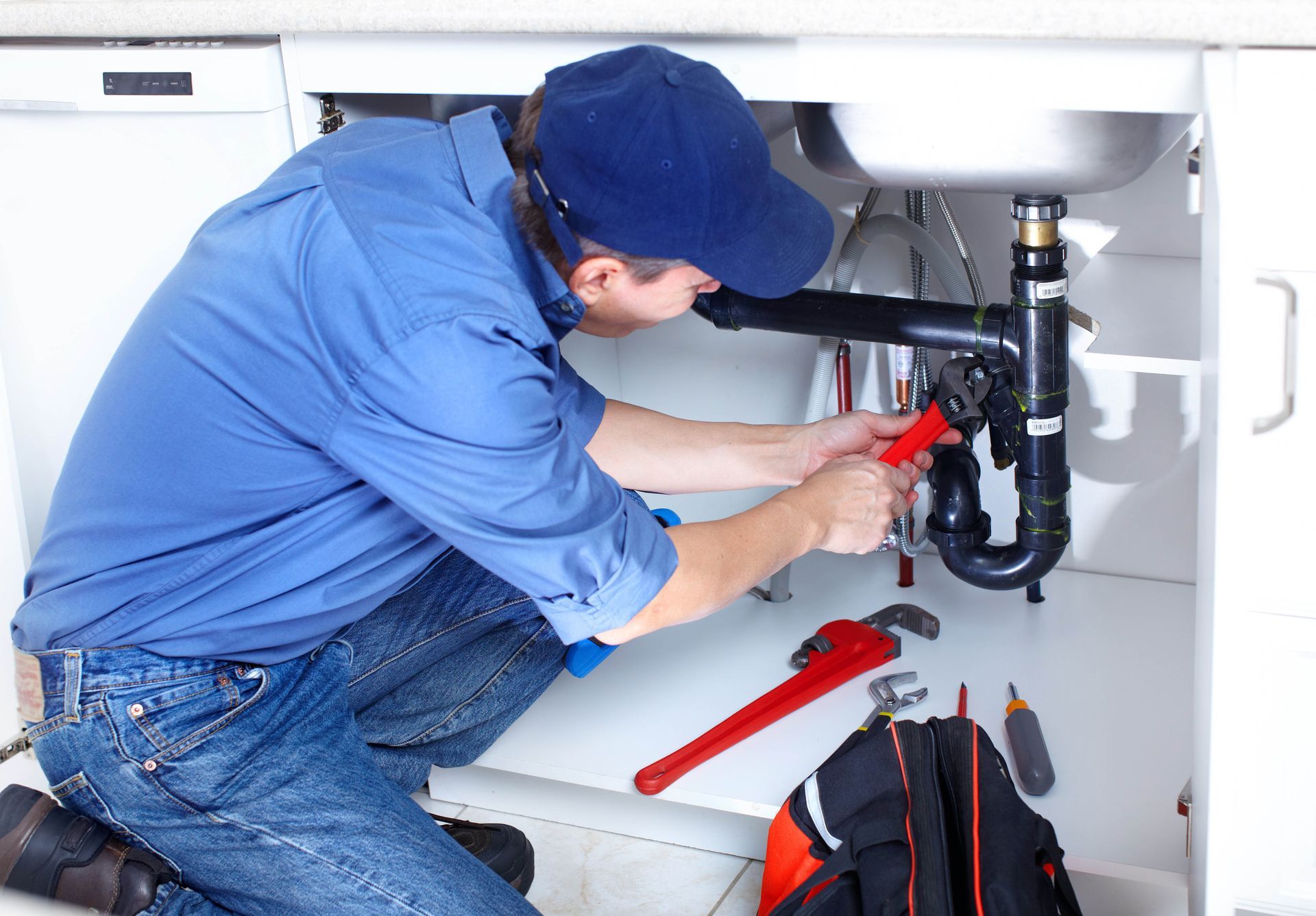
DIY checks can be helpful, but professional inspections provide a more complete evaluation. Experienced plumbers use specialized equipment to detect problems behind walls, under slabs, or along supply lines without relying on guesswork. Routine inspections can identify vulnerabilities before they become emergencies, which is especially helpful in older homes or properties with multiple bathrooms and appliances. This proactive approach can reduce unexpected repairs and help systems run more reliably. When a leak is tricky or recurring, plumbers can also help identify contributing factors like pressure issues or aging valves.
Responding When A Leak Is Found
When a leak is discovered, quick action limits damage. Turning off the water supply prevents further spread, and drying affected areas reduces the chance of mold growth. Documenting damage with photos and notes supports repair planning and can help with insurance if a claim becomes necessary. Even after the visible leak stops, moisture can linger in materials and continue causing harm if it isn’t addressed. In many cases, plumbers can confirm whether the leak is fully resolved or if there’s a second hidden issue feeding the problem.
Planning Repairs And Prevention
After repairs are complete, preventive steps reduce future risk. Regular inspections, pressure regulation, and timely replacement of aging components help keep small weaknesses from turning into recurring leaks. Homeowners can also pay attention to fixture performance, shutoff valve function, and signs of slow moisture buildup in high-risk areas. Many households rely on plumbers to evaluate system health, recommend practical updates, and handle repairs that require code-safe work. Prevention isn’t about perfection, but it does reward consistency.
Household leaks may be common, but their impact does not have to be severe. Awareness, early detection, and routine maintenance are the keys to protecting a home’s structure, comfort, and efficiency. For homeowners in Suffolk, VA, and the surrounding Hampton Roads area, Lanthorn Plumbing offers free, same-day estimates and service across plumbing, septic systems, hot water heaters, electrical services, and gas line services. If you suspect a leak or want a system check for peace of mind, reaching out to our team of plumbers at Lanthorn Plumbing, we can help you stop small issues before they become expensive ones.